Friday, 22 March 2013

Chennai Organic farm, Nalla Keerai, sprouting wings

Ladies-fingers/Okra/Bindi/Pottu
As we reported sometime back about a new organic farm in the outskirts of Chennai, Nalla Keerai (good greens/spinach in Tamil) is now ready to spread the love of their efforts to Chennai residents.  They are calling for suggestions for a list of 10 parks within Chennai to which they will deliver early morning fresh organic keerai for customers to buy.  So to your keyboards and send your suggestions if you love organic greens.  You can vote for your park either through their email (NallaKeerai at gmail.com) or via their Facebook page.

Red Ladies-fingers/Okra/Bindi/Pottu look lovely

Love & consciousness are important ingredients, fertile soil is contained in small cultivable patches
Jagannathan, organic farmer with a passion
Some wonderful Keerai
Greens are not always green!


Wednesday, 13 March 2013

A few good men

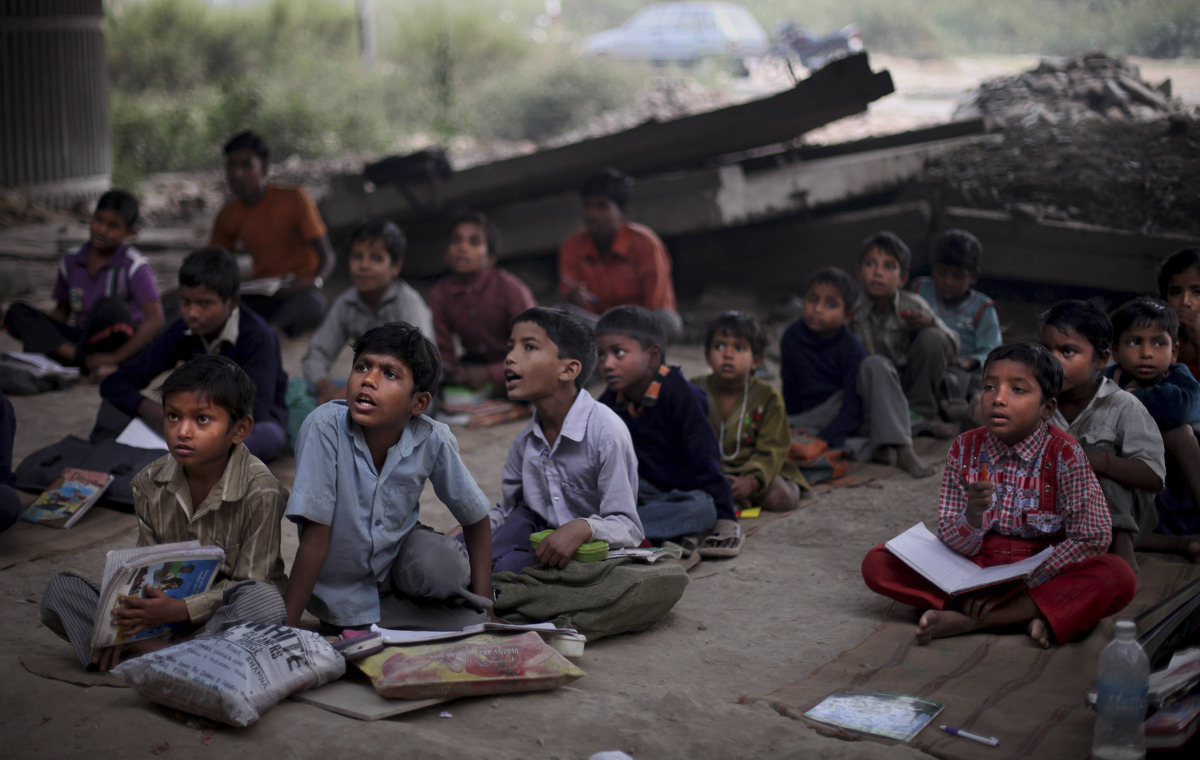
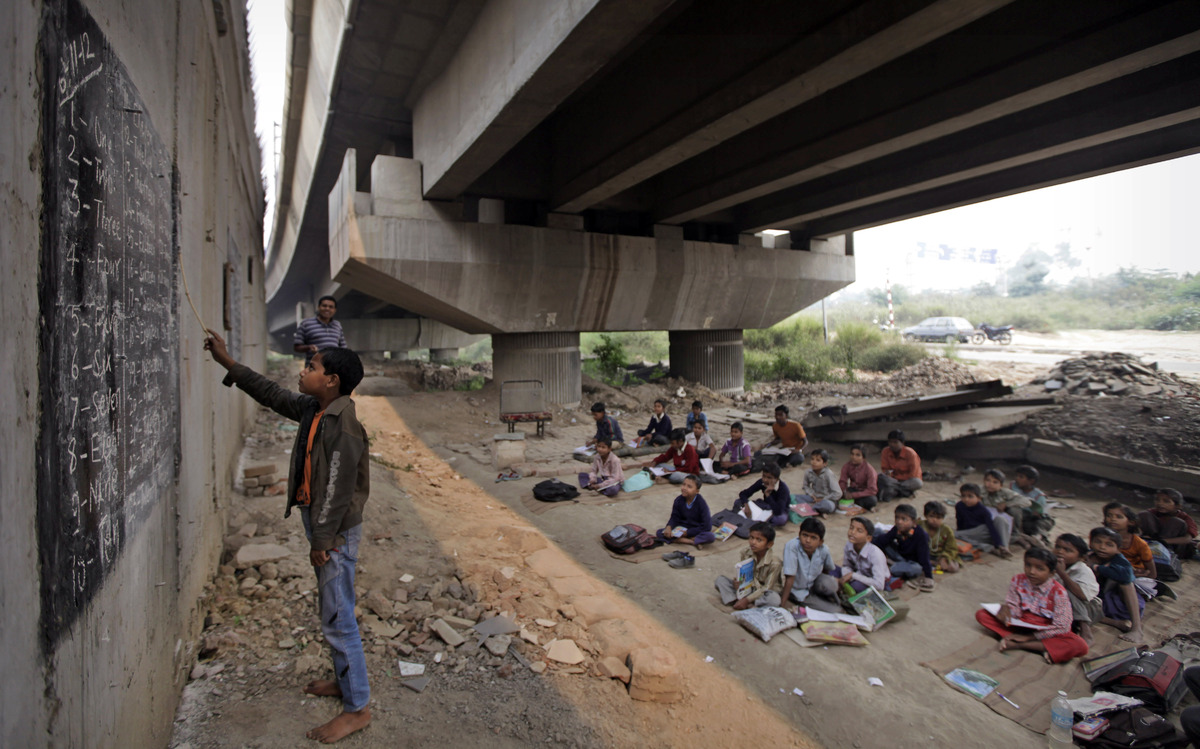
Under a metro bridge in the capital Delhi, a few unsung heroes are changing the lives of underprivileged children, one chalk mark at a time.  The story, as told by the teachers is touching and shows the potential for change that a few people with aspiration and determination can bring about.


Monday, 4 March 2013

Man on a Mission

Sugata Mitra with his Hole in the Wall village computers

Here is an amazing experiment that has been going on for the last 15 odd years.  PhD educational researcher, Sugata Mitra has some amazing results on the ability of children to learn by themselves, without the need for a teacher!!!  His conclusion from his TED talk is a beautiful one:
Education is a self-organising system where learning is an emergent phenomenon.
A self-organising system is one where  the system structure appears without explicit intervention from outside the system.
Emergence is the appearance of a property not previously observed as a functional characteristic of the system.

Two videos that struck me, the first is small intro to Sagata Mitra, the second is his TED talk which is a little longer but really worth the view.


If you wish to know more about the Hole in the wall experiment, visit their dedicated site.

Tuesday, 26 February 2013

Optimising your compost pile


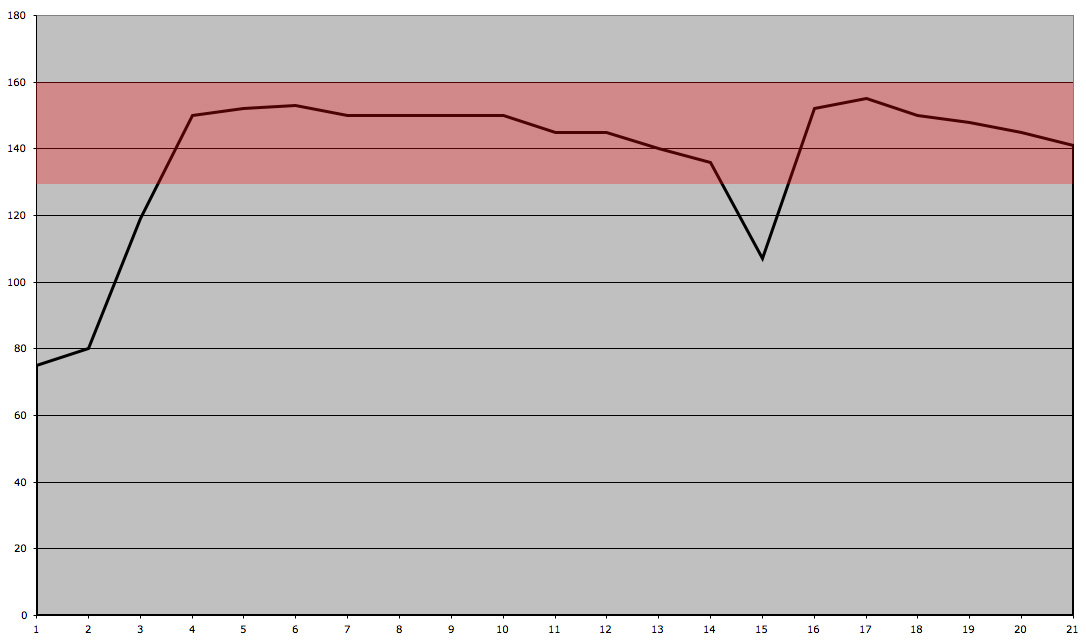
A great little post from Root Simple, a blog dedicated to DIY farming at home, on how to manage the optimal compost pile.  It's all to do with temperature and the post really highlights the simplicity of it.  A great insight for all those into home gardening and roof farming.

Optimal temperature for a compost pile should be kept between 55 C (131 F) and 73 C (163 F) the red bands above.  When the temperature dips below this, it should be turned over.  Furthermore, from the post,

  • You can make sure that the pile does not get too hot. Above 71 C (160° F)  you start to kill off the thermophilic bacteria that decompose your pile. To decrease temperature you turn and add more carbon material and water.
  • Washington State University recommends subjecting all of the pile to temperatures above 65 C (150° F) to kill potential pathogens. I’m fairly certain that, with the turn I did at day 14, all of the pile got up to 65C (150°F).
  • Weed seeds are killed above 55 C (130°F)–another reason to watch temperature.
  • Failing to get high temperatures can be an indication of too much carbon or a lack of water. To correct, add more nitrogen and water and turn.
  • A loss of temperature could indicate that the pile is going anaerobic. The solution is to add more carbon material and turn.

Thursday, 21 February 2013

Sustaining a multicultural heritage

An interesting article in the New Indian Express highlights the plight of Indian women of 2nd or 3rd generation based in the US and their struggle to balance their inherited Indian culture (from their parents) and their adopted one abroad.  The articles reports on a talk given by a Professor Salli Vargis of History at Georgia Perimeter College.  It really applies to all Indian women abroad.  It is a fact that the 2nd or 3rd generation are usually much more integrated than their 1st generation parents.  The article highlights how pressure to retain values from the mother culture often leads to conflict at home.

It is important on the one hand for the parents to accept that their offspring will inevitably integrate with the adopted culture to a far greater extent than them.  Resisting this is futile and only leads to exacerbated conflicts and further rejection of their home culture, a futile pursuit that is contrary to their original aspiration: that their children retain and embrace their inheritance.

On the other, 2nd and 3rd generation Indians need to be aware of the incredible gift they have inherited.  Having a dual-culture is the most precious aspect to their life, for it is a formidable arm for adaptation.  I speak from experience as I myself have a multi-cultural background, having been blessed with both Indian and European roots.

How can these women (and men) nurture their this gift, yet remain true to who they are?  There are now a growing number of online services that allow Indians abroad to stay in touch with their roots.  I would like to highlight a project on which I am involved, an online performing arts service that provide professional courses on Indian classic dance as well as singing and music instrument.  Ambalam, is a company based in Chennai that has a long experience in teaching performing arts in the heart of Kalakshetra Colony, where the famous Kalakshetra art centre is located.  Their web-site, eAmabalam, provides a wide range of courses which anyone with an internet connection and a computer can sign up for a course.  The courses are very detailed with extensive notes and video footage.  Weekly Skype sessions are on the program to 'Meet your teacher' through which the student can post videos of their own progression and get detailed feedback.

Amabalam also maintains a cultural portal, SaMaaGaMa, on varied aspects of performing arts in India, their roots and the intricately linked culture of the arts with society as a whole.


Saturday, 9 February 2013

Mahattan-size Galcier melting caught on tape

This amazing video by the site ChasingIce.com reveals the extraordinary time we live in.  This is video is quite shocking.


Climate change is real, don't believe a word of those who say it isn't.

Here is TED talk by James BALOG, the team leader behind this incredible video.  The talk is quite long, but like so many TED talks, really worth your time.


They are releasing a movie called Chasing the Ice.

Friday, 1 February 2013

New solar panel promises cheaper electricity

An amazing report on a new solar panel design by V3Solar on blog tech CleanTechnica.  The new panels concentrate solar light up to 30 times on the conventional cell, increasing power output, yet keeping prices lower than conventional electricity.  This could be the revolution India needs to move it out of its energy woes.  Decentralised, privatised, democratized energy production away from the corrupt and inefficient public sector.